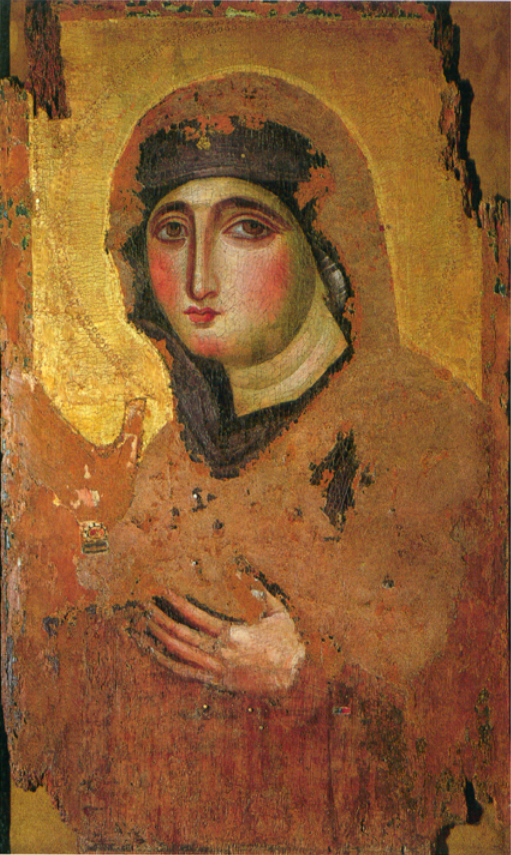
Mary's Grief: Exploring the Pieta and Crucified Son Imagery
Few images in Christian art evoke as much profound emotion and spiritual resonance as the depiction of Mary, the Mother of Jesus, in her deepest sorrow. The sight of a mother holding her deceased son, a powerful and universal symbol of loss, is encapsulated vividly in what is known as the Pieta and its preceding imagery of the crucified Christ. This article delves into the emotional depth and theological significance of a Holy Picture Of Mary With Jesus Dead On Her Knees, exploring the artistry and enduring message behind these poignant scenes.
The journey into Mary’s grief begins not just at the moment she cradles her lifeless son, but in the harrowing scenes that precede it—the brutal reality of the crucifixion. Understanding the suffering endured by Jesus on the cross is essential to fully grasp the weight of sorrow Mary carries in the Pieta, an image that has touched countless hearts for centuries, transcending cultural and linguistic barriers.
The Raw Emotion of the Crucified Son
Before Mary can hold her son's lifeless form, the world witnesses his agony. Imagery of Christ crucified is a cornerstone of Christian art, depicting the ultimate sacrifice. These powerful visual narratives often highlight specific elements designed to convey immense suffering and divine purpose. We see Jesus suspended from the cross, sometimes hanging by a single arm, his head bowed low in death, often crowned with thorns—a brutal mockery of kingship that became a symbol of his divine authority and suffering.
Artists meticulously render details: the wounds in his hands and feet, the spear mark in his side, the tautness of his muscles, and the exhaustion etched upon his face. This vivid portrayal serves not only as a historical record of biblical events but also as a meditation on the depths of human pain and divine love. For Mary, witnessing this spectacle meant enduring a unique agony—to see her son, whom she had brought into the world as an infant, subjected to such an excruciating and public death. Her presence at the foot of the cross, as depicted in countless works, underscores her unwavering love and shared suffering, setting the stage for the profound grief captured in the Pieta.
The bowed head, often depicted with a crown of thorns, speaks volumes about the humility and suffering accepted by Christ. It's a visual shorthand for the immense sacrifice made for humanity. This imagery doesn't just present a historical event; it invites contemplation on the nature of suffering, redemption, and the unbreakable bond between a mother and her child, even in death.
The Pieta: Mary Cradling Her Beloved Son
From the torment of the cross emerges one of the most powerful and heart-wrenching subjects in Christian art: the Pieta. The term "Pieta" itself is Italian for "pity" or "compassion," perfectly encapsulating the scene's emotional core. It depicts the Virgin Mary cradling the dead body of Jesus on her lap after he has been taken down from the cross, before his burial. This is the ultimate Holy Picture Of Mary With Jesus Dead On Her Knees, a universal symbol of maternal grief and divine sacrifice.
The Pieta offers a profound moment of quiet reflection amidst the preceding chaos of the crucifixion. Mary's face, though often idealized, conveys immense sorrow, acceptance, and sometimes, a serene resignation. Her posture, whether slightly bowed over her son or gazing heavenward, communicates a depth of suffering that resonates deeply with anyone who has experienced loss. Jesus’s body, limp and lifeless, rests heavily in her arms, a stark contrast to the vibrant life he embodied just hours before.
Perhaps the most famous example of this sacred imagery is Michelangelo's Pieta in St. Peter's Basilica, Vatican City. Carved from a single block of marble, Michelangelo's masterpiece portrays a youthful Mary, her face etched with a sorrowful tenderness, holding a beautifully rendered, seemingly peaceful Jesus. The artist's skill captures both the physical weight of Christ's body and the immeasurable emotional weight of Mary's grief. This particular work, among others, elevates the Pieta from a mere biblical scene to a timeless exploration of love, loss, and the promise of redemption.
The Pieta is not just a depiction of sorrow; it is also an image of hope, as Mary's unwavering faith and love foreshadow the resurrection. It invites viewers to contemplate not only Jesus's sacrifice but also Mary's role as the Mater Dolorosa—the Sorrowful Mother—who fully participates in her son's redemptive work through her suffering. To delve deeper into the layers of meaning within this profound imagery, explore The Pieta Explained: Mary Cradling Her Crucified Son and Decoding the Pieta: Mary Cradling Her Son in Christian Art.
Symbolism and Spiritual Significance
The imagery of Mary with her crucified son extends far beyond a simple narrative of grief; it is imbued with layers of profound symbolism and spiritual significance. Mary, in this context, embodies the ultimate example of maternal love and unwavering faith. She is often referred to as the "Mater Dolorosa," the Sorrowful Mother, whose heart is pierced by seven swords, symbolizing her intense suffering throughout Christ's passion.
- The Sacrificial Lamb: Jesus's lifeless body resting on Mary's lap echoes the ancient biblical prophecy of the "Lamb of God" sacrificed for the sins of the world. His innocence and willing sacrifice are juxtaposed with the brutal reality of his death, emphasizing the redemptive power of his act.
- Humanity's Shared Grief: Mary's sorrow is a universal human experience of profound loss. Viewers, regardless of their faith, can connect with her pain, making the Pieta a powerful symbol of empathy and shared suffering. For believers, it offers solace, acknowledging that even the Mother of God experienced such anguish, and thus understands human grief.
- The Union of Divine and Human: The Pieta powerfully unites the divine and human aspects of Christ's existence. While he is God incarnate, his death is undeniably human, and Mary's grief highlights this humanity. Her embrace of his lifeless body underscores the mystery of his dual nature.
- Hope in Despair: Paradoxically, in this scene of ultimate despair, there is also a seed of hope. Mary's enduring faith, even in the face of such tragedy, points towards the resurrection. The Pieta, therefore, becomes a prelude to triumph, a reminder that death is not the end.
Practical Tip: When engaging with a Holy Picture Of Mary With Jesus Dead On Her Knees, take a moment to reflect on your own experiences of loss and compassion. Allow the artwork to evoke empathy and personal introspection, considering not only the theological implications but also the universal human emotions it portrays. It can be a powerful tool for meditation and spiritual connection, fostering a deeper understanding of faith and suffering.
Artistic Interpretations and Enduring Legacy
Throughout history, artists have returned to the theme of Mary's grief and the Pieta, each bringing their unique vision and emotional interpretation to the subject. From the stark, dramatic forms of the medieval period to the idealized beauty of the Renaissance, and the intense emotionalism of the Baroque, the Pieta has evolved in style while retaining its core message. Early Gothic Pietas, often called "Vesperbilder" in German, presented Mary with an almost contorted expression of pain, reflecting the visceral suffering of the era. Renaissance artists like Michelangelo introduced a classical ideal of beauty, making Mary appear youthful and serene, her sorrow conveyed through quiet dignity rather than overt anguish.
Later artists explored different facets of the scene: some emphasized the wounds of Christ, others the despair of Mary, and still others the hope that permeates even the darkest moments. Modern interpretations continue to challenge and expand our understanding, sometimes abstracting the forms to focus solely on the raw emotion, or placing the scene in contemporary contexts to highlight its timeless relevance.
The enduring legacy of the Pieta lies in its universal appeal. It speaks to parents who have lost children, to individuals who have faced immense sorrow, and to anyone grappling with questions of faith, suffering, and redemption. It's a testament to the power of art to communicate complex human and divine truths, providing comfort, inspiration, and a space for reflection.
Tips for Appreciating Religious Art:
- Research the Context: Understand the historical, cultural, and theological background in which the art was created.
- Observe Details: Pay attention to facial expressions, body language, drapery, and symbolic objects—each element contributes to the narrative.
- Allow for Personal Reflection: Don't just view the art; engage with it. What emotions does it evoke in you? What questions does it raise?
- Compare and Contrast: Look at different artists' interpretations of the same theme to appreciate the diversity of artistic expression.
Conclusion
The imagery of Mary's grief, culminating in the profound stillness of the Pieta—a Holy Picture Of Mary With Jesus Dead On Her Knees—remains one of Christianity's most compelling and emotionally charged subjects. It is a timeless portrayal of maternal love, sacrificial death, and unwavering faith. From the harrowing vision of Christ crucified to the quiet despair and ultimate hope embodied in Mary cradling her lifeless son, these artistic representations offer a powerful lens through which to contemplate the mysteries of human suffering and divine redemption. They not only serve as testaments to historical events but also as invitations for deep personal reflection, empathy, and spiritual connection, reminding us of the enduring power of love in the face of insurmountable loss.